Living in Portland, Maine means life in a walkable city on the ocean, with a strong food scene, island ferries, and miles of trails. It also means higher home prices and rents than most of Maine, plus tight parking and snowy winters. Portland is Maine’s largest city, with about 70,000 people on a hilly peninsula that looks out over Casco Bay. Below, we walk through the neighborhoods, the real costs, and the city rules that affect your moving day.
Portland, Maine at a Glance
Portland is the county seat of Cumberland County and the biggest city in the state. The 2020 Census counted 68,408 people, and the Census Bureau estimated about 69,911 people by 2025. Much of the city is built on two hilly peninsulas, so you will see a lot of steep streets and water views. The city also includes several islands in Casco Bay.
Portland is close to the rest of southern and central Maine. When traffic is light, Lewiston is about 50 minutes away, Augusta is a little over an hour, and Boston is a little over two hours. That makes Portland a good home base if you want city life but still need to reach other parts of New England.
Portland, Maine Neighborhoods
Each Portland neighborhood has its own feel. Some are packed with old brick buildings and restaurants, while others have quiet streets and yards. Here is a quick guide to some of the main areas.
- Old Port: The busy waterfront district, with historic brick buildings, shops, restaurants, and working fishing and lobster boats.
- Munjoy Hill and the East End: Houses sit close together on narrow streets, and many are two and three story buildings. Some of the old triple deckers here have been turned into condos. The Portland Observatory, built in 1807, stands on the hill.
- West End: Known for restored brick and Victorian homes from the 1800s. Much of it is a city historic district.
- Bayside: An area near I-295 with warehouse style buildings and breweries.
- Parkside: Built around Deering Oaks Park, with many apartments.
- Back Cove: Apartments near the Back Cove Trail and single family homes on the side streets.
- Deering Center: Mostly single and two family homes, with Stevens Avenue as a small town center and Deering High School nearby.
- North Deering: The city’s largest neighborhood, with single family homes on tree lined streets.
- Stroudwater and Riverton: Areas on the western edge of the city, near the Jetport and Riverside Golf Course.
- The islands: Casco Bay Lines ferries serve Peaks Island and other islands all year. Island life means every trip to the mainland starts with a boat.
So what are the best neighborhoods in Portland, Maine? It depends on what you want. If you want to walk to restaurants, look at the Old Port, East End, and West End. If you want a yard and more quiet, look at Deering Center or North Deering. If you want to be near a trail, Back Cove is a good place to start.
What Does It Cost to Live in Portland, Maine?
Portland is one of the pricier places to live in Maine, and it is better to know that up front. According to Census survey data from 2020 to 2024, the median rent in Portland was $1,577 a month. The median value of an owner’s home was $489,600. The median household income was $79,540.
Newer numbers show prices higher than that. Zillow listed the typical Portland home value at about $559,000 at the end of August 2026, about the same as a year earlier. Zillow also showed average rent at about $2,419 a month, up about 3 percent over the year. The Census numbers include people who have rented the same place for years, while Zillow tracks what homes and rentals cost today.
Portland also has a rent control law that has been in place since 2021. Landlords must give tenants 90 days of notice before a rent increase. The city sets how much rent can go up each year, and the allowed increase for 2027 is 2.6 percent.
Getting Around Portland
In Portland, you may not need to drive every day. Many neighborhoods are walkable, and there are good options for longer trips. Here are the main ways people get around:
- Portland International Jetport: The city owned airport has flights from seven airlines.
- Amtrak Downeaster: Trains leave from the Portland Transportation Center, and Boston is about two and a half hours away.
- Concord Coach Lines: Buses run to Boston, Logan Airport, and New York City.
- Greater Portland METRO: Local buses serve the city and nearby towns.
- Casco Bay Lines: Ferries to the islands run 365 days a year from Commercial Street.
- Highways: I-295 runs through Portland and has no tolls. The Maine Turnpike is a short drive west.
Things to Do in Portland
There is always something to do in Portland, in every season. The city has big parks, ocean views, art, sports, and food. Here are a few places to start.
Parks and trails: The Eastern Promenade is the city’s largest developed park at 78 acres, with views of the bay. East End Beach is the only public beach in Portland itself. The Back Cove Trail is a 3.6 mile loop, and Portland Trails looks after nearly 100 miles of trails. Deering Oaks Park has a pond, a splash pad, and courts. Fun fact: Portland Head Light is not in Portland. It is in Fort Williams Park in nearby Cape Elizabeth.
Art, music, and sports: The Portland Museum of Art is free on Friday evenings and free for anyone under 22. Merrill Auditorium seats about 1,900 people for concerts and shows. The First Friday Art Walk brings free art to the Arts District each month. The Portland Sea Dogs, the Double-A team of the Boston Red Sox, play at Hadlock Field.
Food: Portland is known for its restaurants. In 2026, local restaurant owner Dana Street won the James Beard Award for Outstanding Restaurateur. His places include Fore Street and Standard Baking Co.
Schools and Colleges
Portland Public Schools serves about 6,244 students, and families in the district speak 61 languages. The high schools are Portland High, Deering High, and Casco Bay High, plus the Portland Arts and Technology High School. The district also runs schools on Peaks Island and Cliff Island. Contact the district early so you know which school your kids will attend.
Portland also has several colleges. The University of Southern Maine has a campus near Back Cove. The Maine College of Art and Design is on Congress Street, and the University of New England has its health sciences campus on Stevens Avenue.
Is Portland, Maine a Good Place to Live?
For many people, yes. Portland gives you a real city with ocean views, trails, restaurants, and easy travel, all in a size that still feels friendly. But it is not perfect, and the trade offs are worth knowing before you sign a lease.
- Pros: Walkable neighborhoods, a busy food and art scene, parks and trails, ferries to the islands, and an airport and train close by.
- Cons: Higher home prices and rents than most of Maine, tight parking on the peninsula, winter parking bans, steep streets, and older homes with narrow stairs.
City Rules That Affect Moving Day in Portland
Portland has more moving day rules than many Maine towns. Knowing them ahead of time can save you from a ticket, a tow, or a delay. Here is what to plan for.
- Street occupancy permits: The city requires a permit from Public Works for using the street or sidewalk, such as reserving metered parking spaces or placing a storage container. Apply online 5 to 10 business days ahead. As of July 2026, the fee is $40 per 20 foot space, with a two space minimum. You print and post the No Parking signs by 5 PM the business day before. The permit is not valid during a parking ban.
- Storage containers: A container on the street costs $80 a day. The city does not recommend them in winter, and they must be moved right away if a storm is coming.
- Winter parking bans: During a ban, you cannot park on city streets from 10 PM to 6 AM. You can sign up for text or email alerts on the city website, and the city opens free lots for parking during a ban.
- Trash and recycling: Trash must go in the city’s purple bags, which cost $1.90 for a 15 gallon bag and $3.80 for a 30 gallon bag. Recycling goes loose in the blue cart.
- Snow on sidewalks: Homeowners must clear their sidewalks within 18 hours after the city finishes plowing.
If you are moving in the colder months, read our guide to winter moving in Maine. A snow ban can cancel your parking permit, so a backup date is a smart idea.

Tips for a Smooth Move to Portland
Most moving day problems in Portland come from parking, stairs, and timing. A little planning fixes most of them. Here are the tips we share with our Portland customers.
- Plan parking first. Find out if your street has meters, permits, or tight spots, and get a permit if you need one.
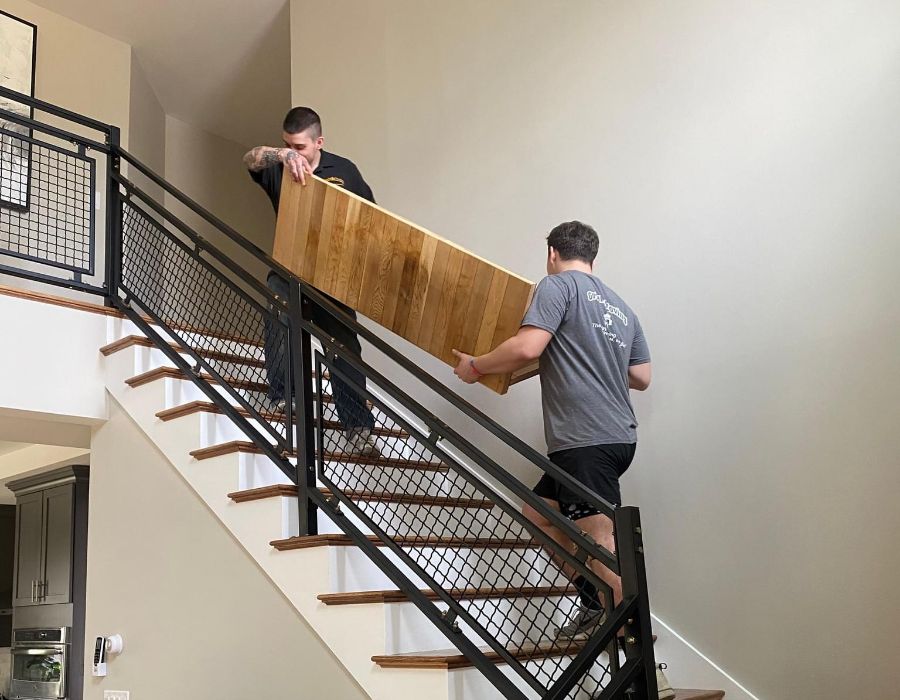
- Measure stairs and doors. Older homes on Munjoy Hill and in the West End can have narrow halls and steep stairs.
- Book early. Spring and summer fill up fast. Our guide on how far in advance to book movers in Maine explains the timing.
- Pick a weekday if you can. Weekdays often mean less traffic downtown and more open parking.
- Label boxes by room. This helps our crew place everything on the first trip, which saves time on tight streets.
Conclusion
Living in Portland, Maine gives you the ocean, a busy food scene, walkable neighborhoods, and easy travel. It also costs more than most of Maine, and moving day takes extra planning for parking, permits, and stairs. Pick the neighborhood that fits your life, plan for the city rules, and give yourself time. With a good plan, your move to Portland can go smoothly.
At Gordon’s Moving, we are a family owned company based in Lewiston, and we have helped Maine families move since 1993. We know how to handle Portland’s stairs, hills, and tight streets. Learn more about our movers in Portland, ME, then contact us for a free in-person estimate. We will help you plan every step of your move.